Blank Business Card Mockup Picture: A Versatile Tool for Professional Presentation
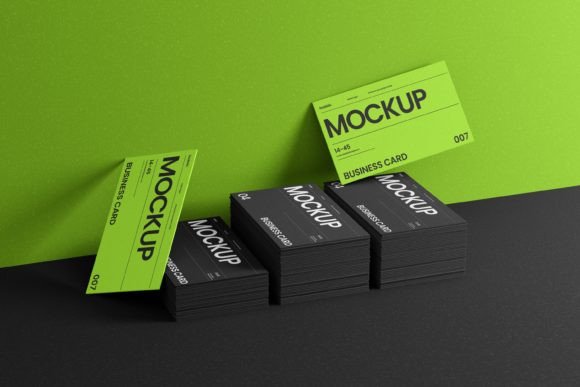
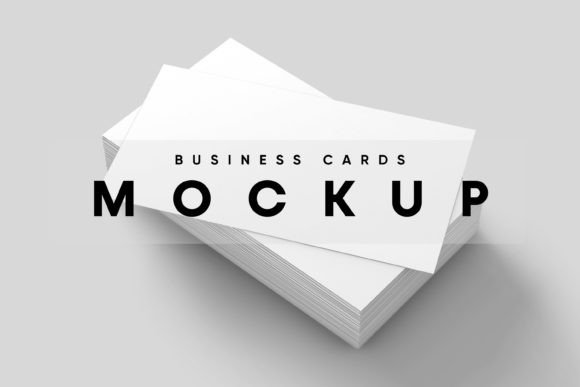
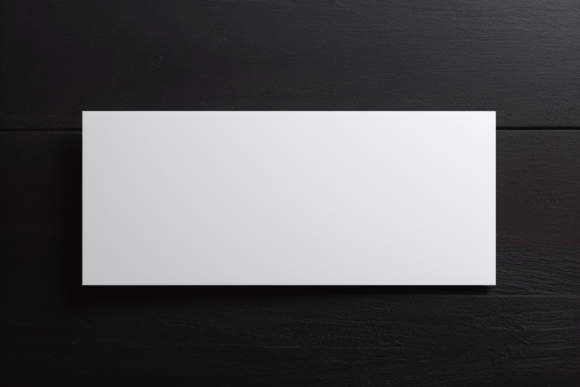
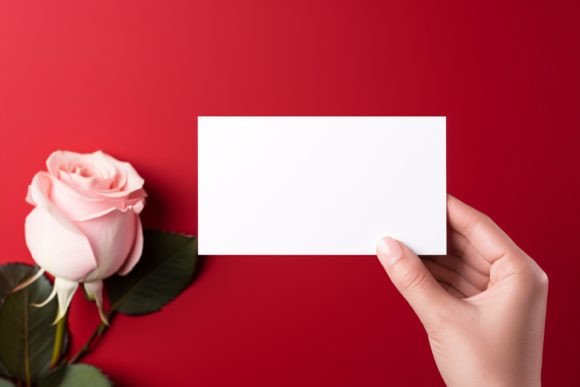
A blank business card mockup picture is more than just a placeholder; it's a strategic asset that can elevate how you showcase your creative work. Whether you're a designer, marketer, freelancer, or small business owner, having a realistic visual of your business card design in use is invaluable. This type of mockup provides a high-resolution image of a clean, empty business card placed on a professionally styled background—often with lighting and textures that simulate real-world conditions. The goal is to give your audience a clear idea of how your design will look when printed and handled.
Understanding the Purpose and Value of Blank Business Card Mockups
The primary purpose of a blank business card mockup picture is to serve as a canvas for presenting your own designs. It allows you to place your artwork, branding, or text over an existing image of a business card to visualize the final product before printing. This is especially useful for clients who may not be able to imagine how their chosen design will appear in physical form.
These mockups are commonly used in digital portfolios, marketing presentations, social media posts, and online shop listings. They help professionals communicate their brand identity effectively by providing context. For example, a graphic designer might use a blank business card mockup to show a client how their logo and contact information will fit on the actual card, ensuring alignment with their overall branding strategy.
Key Features and Specifications
High-quality blank business card mockup pictures typically come in formats such as JPG or PSD, offering flexibility depending on your editing needs. One notable specification is the resolution—many files are provided at 300 DPI and dimensions like 3000×2000 pixels, making them suitable for both digital display and print-ready applications. These mockups are usually rendered in RGB color mode, ideal for screen-based viewing and maintaining accurate color representation across devices.
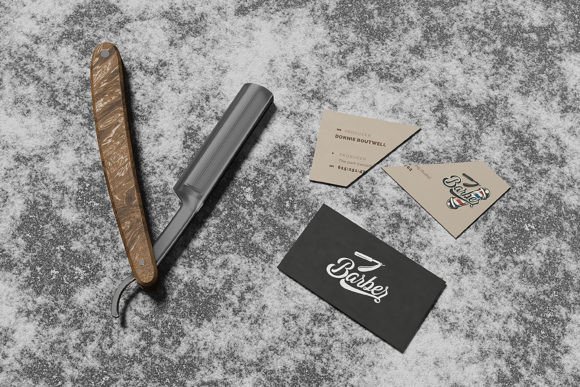
Additionally, these images often feature realistic textures and backgrounds, such as wood tables, glass surfaces, or white mats. Some include subtle shadows and reflections to enhance depth and authenticity. These elements collectively contribute to a professional appearance that helps your design stand out.
Practical Uses Across Industries and Projects
Blank business card mockups are incredibly versatile. Here are several practical scenarios where they prove particularly beneficial:
- Design Presentations: Use them to present your latest card designs to stakeholders or clients during meetings or pitches.
- Artwork Display: Artists and illustrators can showcase how their graphics or patterns translate onto physical media.
- Printable Design Prototypes: Test layouts and typography without needing to print physical samples repeatedly.
- Online Shop Visuals: When selling custom card designs, mockups offer potential buyers a realistic preview of what they’ll receive.
- Pattern and Texture Testing: Evaluate how different colors, gradients, or textures interact with a standard card shape and size.
- Photoshop Templates: Open the file in Photoshop to layer your design seamlessly, adjust lighting, and tweak composition for polished results.
In each case, the mockup acts as a bridge between concept and reality, allowing you to make informed decisions before committing to production.
Strengths and Limitations in Real-World Applications
One of the greatest strengths of a blank business card mockup picture is its ability to provide immediate feedback. Clients and collaborators can see how your design looks in a real-life setting, which reduces miscommunication and saves time. The high resolution ensures that even minute details—like font choices or line thickness—are clearly visible, making it easier to refine your work based on visual cues.
However, there are some limitations to consider. While most mockups are highly detailed, they still represent a simulated version of the final product. Factors such as paper texture, weight, and finish (matte, glossy, etc.) can't always be captured accurately in a flat image. Additionally, if you're not using software like Photoshop or Illustrator, you may find it challenging to overlay your design without losing quality or alignment.
Another consideration is the need for consistent mockup styles if you're preparing a series of presentations. Using mismatched mockups can confuse viewers or dilute the professionalism of your portfolio. It’s best to select a mockup style that aligns with your brand aesthetics and stick with it across multiple projects.
Who Can Benefit Most from This Resource?
Anyone involved in creating or managing visual content can benefit from a blank business card mockup picture. Specifically, the following groups will find it extremely useful:
- Graphic Designers: Needing to present business card concepts in a realistic format for client approval.
- Entrepreneurs: Looking to test their brand’s visual identity before launching into production.
- Freelancers: Wanting to create compelling sample visuals for their online marketplace profiles or proposals.
- Marketing Professionals: Seeking to integrate business cards into promotional campaigns or brand collaterals.
- Photographers and Illustrators: Showcasing how their work translates onto physical media for new audiences.
For educators and publishers, these mockups can also be valuable tools in teaching design principles or demonstrating layout techniques. Serious hobbyists who enjoy crafting and personal branding can leverage them to experiment with different looks and share their creations online.
Usability and Flexibility in Creative Workflows
When it comes to usability, blank business card mockups are designed to be user-friendly. Opening the JPG file in Adobe Photoshop or other image editing software allows you to easily place your design on top using layers. If the mockup includes smart objects or layered PSD versions, you can further customize elements like angles, shadows, or background textures to match your project requirements.
Flexibility is another major advantage. You can use the same base mockup for various designs, tweaking only the overlaid artwork. This makes it an efficient tool for batch processing or comparing multiple options side by side. Furthermore, since they’re often royalty-free or available under permissive licenses, you can use them in a variety of commercial and non-commercial contexts without legal concerns.
How to Make the Most of Your Blank Business Card Mockup Picture
To maximize the effectiveness of a blank business card mockup picture, start by selecting one that complements your intended use. For instance, if you're designing for a luxury brand, choose a mockup with a sleek, minimalist background. Conversely, a vibrant or textured backdrop may better suit a creative agency or startup.
Here are a few practical recommendations:
- Use layer masks and blending modes in Photoshop to ensure your design integrates naturally with the mockup.
- Test your design under different lighting conditions to assess visibility and contrast.
- Include variations—such as front and back views, folded corners, or stacked cards—for a more dynamic presentation.
- Export the final mockup in appropriate resolutions for web and print use, ensuring clarity and scalability.
Also, consider the aspect ratio and perspective of the mockup. A slight angle can add realism, but it may complicate alignment unless the mockup includes guides or smart object layers. Always check the file structure before beginning your edits to understand how much control you have over positioning and effects.
Evaluating Long-Term Value and Consistency
Over time, a well-designed blank business card mockup picture can become part of your go-to assets library. Its reusability means you won’t need to recreate the same setup for every new design. Instead, you can focus on iterating your artwork while maintaining a consistent presentation format.
This consistency is crucial for building trust and professionalism. Clients and customers appreciate seeing a uniform style across all materials, and using the same mockup template reinforces that. However, to avoid stagnation, it’s wise to occasionally refresh your mockup collection with new styles or settings that reflect evolving trends or specific project needs.
Realistic Examples and Use Cases
Imagine you're a freelance designer working with a client who wants to update their company's business cards. Without a mockup, they might struggle to visualize how the new logo placement affects readability. By using a blank business card mockup picture, you can quickly apply their current and proposed designs, helping them compare options and make data-driven decisions.
Or consider a blogger promoting a print-on-demand service for custom cards. With a mockup, they can demonstrate how personalized text and artwork would appear, increasing customer confidence and reducing return rates due to unmet expectations. In this scenario, the mockup serves as both a sales tool and a quality assurance mechanism.
Another example could involve an educator preparing a lesson on typography. By using a mockup, students can see how different fonts perform in a real-world application, reinforcing theoretical knowledge with tangible examples.
Considerations for Choosing the Right Mockup
Not all blank business card mockups are created equal. To ensure you get the most value from your chosen resource, evaluate the following factors:
- Resolution and Quality: Look for files with at least 300 DPI and large pixel dimensions to maintain clarity when zoomed in.
- Background Relevance: Choose a background that matches the environment where the business card will likely be used or displayed.
- Layer Support: If you plan to do frequent edits, opt for PSD files with smart objects for easier customization.
- License Type: Confirm whether the mockup is free for commercial use or requires attribution to avoid copyright issues later.
It's also helpful to look for mockups that support both portrait and landscape orientations, especially if you're experimenting with unique shapes or sizes beyond the standard 3.5 x 2 inches.
Final Thoughts on Blank Business Card Mockup Picture
While a blank business card mockup picture isn’t a replacement for physical prototypes, it’s an essential step in the design process. It allows you to visualize your work in context, streamline communication with clients, and deliver polished presentations that reflect your attention to detail. For creators and professionals who rely on strong visual storytelling, this tool can significantly improve workflow efficiency and client satisfaction.
If you're looking to enhance your design process or build a more compelling portfolio, investing time in finding the right blank business card mockup picture is worth the effort. Just remember to balance creativity with practicality, ensuring that your mockups remain aligned with your goals and audience expectations.