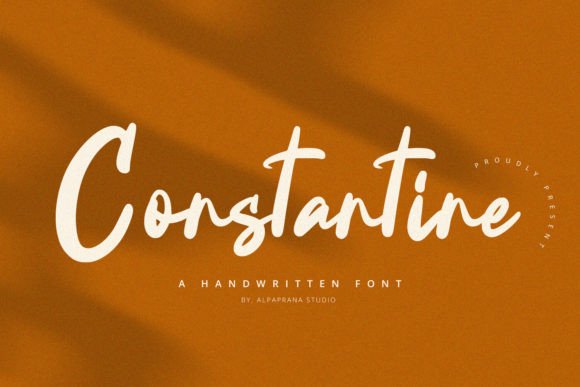
Constantine: A Timeless Script Font for Elegant Design Projects
Choosing the right font can make a significant difference in how your design is perceived. When it comes to adding a touch of sophistication and personality, script fonts like Constantine offer a unique blend of style and readability. Constantine stands out as a versatile and elegant option that seamlessly fits into various creative processes—from wedding invitations to branding projects. Its handwritten appearance brings warmth and character while maintaining the professionalism needed for high-quality designs.
Understanding Constantine’s Role in Your Workflow
Constantine is not just another decorative font; it's a tool that enhances visual communication across different stages of a project. Whether you're planning an event, developing a brand identity, or creating content for social media, this font can be integrated at multiple points to elevate the overall aesthetic. It works especially well when used in combination with more structured typefaces, balancing creativity with clarity.
In the early stages of a project, such as brainstorming or concept development, Constantine can help you visualize the tone and feel you want to achieve. For instance, if you're designing a logo for a boutique, using Constantine in initial sketches might guide the direction toward a more personal and artisanal look. Later on, during the execution phase, it becomes a key asset for finalizing text elements that require elegance without sacrificing legibility.
Pre-Project Planning: Setting the Tone with Constantine
Before diving into the actual creation process, consider the role of typography in your project’s messaging. Constantine is ideal for themes centered around romance, tradition, or artistry. During pre-project planning, you can use it to draft mockups or mood boards, helping stakeholders align on the desired visual language. This step ensures that the font isn't just an afterthought but a foundational element of your design strategy.
When working with clients or team members, presenting concepts using Constantine can spark conversations about aesthetics and brand voice. It serves as a practical tool for gauging reactions and refining expectations before investing time in full-scale production.
During Execution: Implementing Constantine Effectively
Once you’ve decided to incorporate Constantine into your project, the next challenge is using it effectively within your design software. Most modern graphic design platforms like Adobe Photoshop, Illustrator, Canva, or Figma support OTF and TTF formats, which are typically included in the font package. Importing it is straightforward, but attention to detail is crucial to maintain its intended impact.
- Pairing with Complementary Fonts: Use Constantine alongside sans-serif or serif fonts to create contrast and balance. For example, combining it with a clean sans-serif like Lato or Montserrat can enhance readability in body text while keeping the headline stylish.
- Adjusting Spacing and Kerning: Because of its flowing nature, Constantine may require fine-tuning to ensure characters sit well together. Spend time adjusting spacing manually for maximum visual appeal.
- Color Considerations: The font looks best in soft, muted tones or metallic shades like gold and silver. Avoid overly bright or garish colors that could distract from its refined look.
Constantine is particularly effective in print materials where texture and craftsmanship matter. Think of it as the finishing touch that adds depth and emotion to your work. For digital assets, it still performs admirably—especially when rendered at higher resolutions or used in overlays for video and web banners.
Post-Production: Ensuring Consistency and Quality
After completing a design project using Constantine, it’s essential to review the output for consistency and quality. Check how the font appears across different devices and screen sizes if it's part of a digital campaign. Print samples should also be examined under varying lighting conditions to confirm that the details remain clear and crisp.
Another consideration is file compatibility. Make sure that the Constantine font is embedded correctly in your deliverables. If you're sharing files with clients or collaborators, provide them with the font or set it to embed within PDFs or image files to avoid any display issues. This small but critical step prevents miscommunication and maintains the integrity of your design.
Use Cases for Constantine Across Industries
While Constantine is most commonly associated with wedding invitations and greeting cards, its applications extend far beyond these niches. Here are some real-world scenarios where it can shine:
- Event Branding: From save-the-dates to thank you notes, Constantine helps establish a cohesive theme that feels both personal and professional.
- Product Packaging: Luxury items, handmade goods, or artisanal products benefit from the handcrafted feel of Constantine, reinforcing authenticity and exclusivity.
- Quotes and Social Media Graphics: Inspirational quotes or motivational messages become more engaging when presented in a beautiful script like Constantine.
- Business Cards and Stationery: Entrepreneurs and creatives looking to stand out can use Constantine to craft memorable business cards and letterheads.
- Logo Concepts: In logos that emphasize heritage, elegance, or bespoke services, Constantine adds a timeless dimension.
Integrating Constantine into Collaborative Workflows
In collaborative environments, integrating Constantine requires coordination among team members. Designers need to communicate the font’s usage clearly to copywriters, developers, and marketers. Including Constantine in shared style guides ensures everyone stays aligned with the brand’s visual identity. Additionally, providing examples of how the font appears in different contexts—such as headings versus subheadings—helps maintain consistency across all deliverables.
If your project involves multiple designers, consider setting up templates or presets in design tools that include Constantine. This approach streamlines the workflow and reduces the chance of deviations in styling. It also makes revisions faster, as adjustments can be made within predefined parameters rather than starting from scratch each time.
Long-Term Use and Maintenance
Using Constantine consistently over time builds brand recognition and trust. However, maintaining its effectiveness requires periodic reviews of how it functions in new formats and mediums. As trends evolve, so do the ways people interact with visual content. Stay mindful of how Constantine adapts to emerging design practices and technologies.
For long-term projects, store the Constantine font in a centralized resource library accessible to all relevant team members. This practice supports efficiency and ensures that the font remains a consistent part of your creative toolkit. Also, keep backups of the original font files to prevent loss due to system updates or software changes.
Practical Tips for Maximizing Constantine’s Impact
To get the most out of Constantine, follow these practical implementation tips:
- Limit usage to key elements: Overusing the font can lead to visual clutter. Reserve it for headlines, signatures, or short phrases where its elegance will have the most impact.
- Test legibility: Although Constantine is designed for readability, always test it in context. Ensure that the message is still clear and that the font doesn’t compromise functionality.
- Consider licensing: Before large-scale use, verify the font’s license agreement. Some script fonts come with restrictions regarding commercial applications or embedding in digital files.
- Combine with textures: Enhance the font by pairing it with subtle background textures like parchment, watercolor, or linen. These combinations can evoke a sense of nostalgia or luxury.
Conclusion: Elevate Your Designs with Constantine
Constantine is more than just a script font—it's a strategic design choice that reflects taste, intention, and attention to detail. By understanding how to integrate it into your workflow and recognizing its strengths in specific use cases, you can leverage its beauty to create compelling, high-quality visuals. Whether you're crafting a heartfelt message or building a brand from the ground up, Constantine offers the perfect blend of form and function to bring your ideas to life with grace and distinction.