I Don’t Usually Pay Attention to What My Wife Says, but When I Do, She’s Usually Right: The Value of SVG Files in Creative Projects
There are moments in life when you realize the wisdom behind something you previously overlooked. For example, while many may say, “I don’t usually pay attention to what my wife says,” there are times when that advice is spot-on — and this concept can be metaphorically applied to creative resources like SVG files. If you're someone who loves DIY projects or runs a small business crafting custom merchandise, then high-quality vector files such as I Don’t Usually Pay Attention to What My could prove to be a game-changer.
What Exactly Are SVG Files and Why Should You Care?
SVG stands for Scalable Vector Graphics. These are digital images created using mathematical formulas rather than pixels, which means they maintain crisp edges at any size. Unlike raster images (like JPEGs or PNGs), SVG files can scale infinitely without losing quality, making them ideal for both small-scale crafts and large-format printing. This distinction is crucial if your goal is to produce professional-looking items consistently across different mediums.
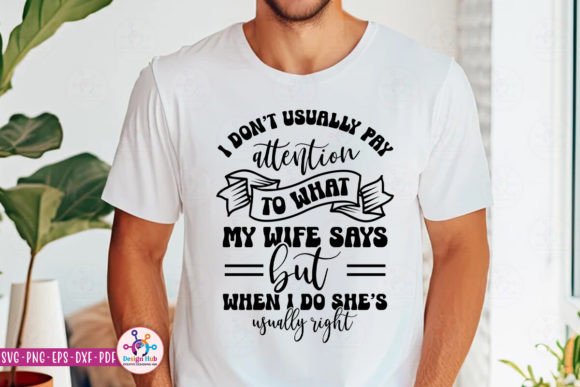
I Don’t Usually Pay Attention to What My is more than just an SVG file; it's a design with personality. It brings humor and relatability into your creations, making it a popular choice among those looking to add a personal touch to their products. Whether you're designing for a family event, a gift shop, or even your own home decor, this kind of design has broad appeal and adaptability.
Comparing SVG Files with Other Formats
In the world of digital design, multiple file types serve similar purposes. However, each format comes with its own strengths and limitations. Here's how SVG compares with other common formats:
- PNG: Offers transparency and good resolution but isn't scalable beyond its original dimensions without pixelation.
- EPS: A vector-based format often used in print, but it's less compatible with web applications compared to SVG.
- PDF: Great for document sharing and printing, but not always optimized for editing or resizing in graphic software.
- DXF: Commonly used in CAD software, useful for laser cutting or engraving, but lacks the visual polish of SVG for screen use.
When you choose I Don’t Usually Pay Attention to What My, you’re getting a set of files that includes SVG, PNG, EPS, DXF, and PDF formats. This versatility ensures that whether you're working on a digital mockup, preparing for vinyl cutting, or planning a wood sign project, you have the right tool for the job.
Why Use SVG Instead of Raster Images for Crafts?
If you've ever tried enlarging a low-resolution image only to see it become blurry or pixelated, you understand the value of vectors. SVG files allow you to scale designs up or down without compromising quality, which is essential for products like t-shirts, hoodies, or large wall art. Additionally, SVG supports transparent backgrounds, which makes layering and background blending easier in design software.
The ability to easily change colors within SVG files is another advantage. Want to personalize a design for a client? Simply select a new color in your editor and watch the entire design update seamlessly. This feature is particularly helpful when creating branded merchandise or seasonal variations of a product.
Strengths and Tradeoffs of Using I Don’t Usually Pay Attention to What My Design Files
I Don’t Usually Pay Attention to What My offers several advantages for creators and entrepreneurs:
- High Quality: Each file is designed at 300 DPI resolution in RGB color mode, ensuring vibrant and sharp results.
- Multiple File Types: Having access to SVG, PNG, EPS, DXF, and PDF allows you to work in various platforms and tools.
- Editable Vectors: Every element is fully editable, giving you complete control over customization.
- Resizability: Perfect for both small and large projects due to its scalable nature.
However, there are some tradeoffs to consider. While SVG files are excellent for most design tasks, they may require specific software to edit effectively. Programs like Adobe Illustrator, Inkscape, or Cricut Design Space are recommended for full functionality. Additionally, if you're not familiar with vector editing, there might be a learning curve involved before you can make the most out of these files.
Best-Fit Situations for This Design Set
This collection of design files is especially well-suited for:
- Craft Enthusiasts: Whether you're into embroidery, sublimation printing, or vinyl cutting, these files provide the clarity needed for intricate details.
- Small Business Owners: Ideal for creating logos, signage, and promotional materials for retail stores, cafes, or online shops.
- Home Decor Creations: Use the files to make personalized pillows, wall art, or wooden signs that reflect your style or brand.
- Merchandise Designers: T-shirts, hoodies, mugs, and tumblers all benefit from the clean lines and scalability of SVG files.
For instance, imagine creating a custom doormat for a friend's wedding. With the I Don’t Usually Pay Attention to What My design, you can easily adjust the text and colors to match the wedding theme, and the vector format will ensure the design remains clear and legible even after being printed on a large mat.
Alternatives to Consider
While SVG files are powerful, they aren't the only option available. Here are a few alternatives depending on your needs:
- Adobe Illustrator (.AI): A proprietary vector format that offers advanced features but requires Adobe software to edit.
- DXF for CNC Work: If you're focusing on laser cutting or engraving, DXF might be more suitable, though SVG can also be used in some machines.
- Print-Ready PDFs: These are great for sending directly to printers but offer limited flexibility in terms of color or layout changes.
Each format serves a unique purpose. If you need to work across multiple platforms and want full customization, I Don’t Usually Pay Attention to What My gives you the best of both worlds by including SVG along with other commonly used file types.
Realistic Examples of How to Use These Files
Let’s explore a few real-world scenarios where these files could be useful:
- Wood Sign Project: Use the DXF or SVG file to cut the design into a wooden plaque. The precision of vector graphics ensures every letter and line is perfectly placed.
- T-Shirt Printing: Load the SVG file into your heat press software to create a design that looks sharp and modern on fabric.
- Custom Pillow Covers: Resize the PNG or SVG file to fit your chosen pillow template and send it to your printer for a personalized touch.
- Business Cards: The PDF file is perfect for submitting to card-printing services, ensuring your branding stays consistent and professional.
These examples illustrate the flexibility of I Don’t Usually Pay Attention to What My. The design isn't just for one use case; it can be adapted to a wide range of homemade and commercial projects.
Limitations and Things to Watch Out For
Despite the many benefits, it's important to recognize the limitations of these files:
- They require knowledge of design software to fully utilize their potential.
- Some tools or machines may prefer native file types like .CDR or .AI for certain processes.
- Without proper editing skills, you may not achieve the desired outcome — especially when dealing with complex elements like gradients or layered effects.
It’s also worth noting that while the phrase “I don’t usually pay attention to what my wife says” may resonate with many, it’s important to consider your audience. This design works best for niche markets or groups where humor and relatable content are appreciated. For formal or corporate settings, a more traditional or minimalist design might be more appropriate.
When Is This the Right Choice for You?
If you're someone who enjoys hands-on creativity and wants to add a humorous yet meaningful design to your craft projects, then I Don’t Usually Pay Attention to What My is a solid pick. Its compatibility with various tools and media makes it adaptable to many uses, and the inclusion of multiple file types ensures you won’t run into technical roadblocks.
On the flip side, if you're looking for something highly specialized — such as a design tailored for architectural blueprints or industrial manufacturing — you might find better options in other vector formats or dedicated CAD software. Always consider the end use and the tools you have before selecting a design package.
Final Thoughts on Choosing the Right Design Files
Design files like I Don’t Usually Pay Attention to What My are more than just digital assets; they're versatile tools that can enhance your creative output and streamline your workflow. They combine humor with practicality, making them a fun and functional addition to any craft or business project.
Whether you're a hobbyist experimenting with new ideas or a small business owner looking to expand your product offerings, taking a closer look at this design could open up new opportunities. After all, sometimes the best insights come from unexpected places — much like the occasional words of wisdom from a spouse.
Need help getting started? Feel free to reach out to Design Hub103 for support. Their team is experienced and ready to assist with any questions you may have about using these files in your next project.