Overlaping Business Card: A Design Tool for Modern Professionals
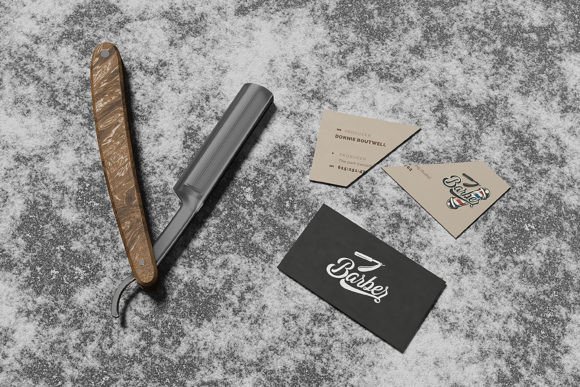
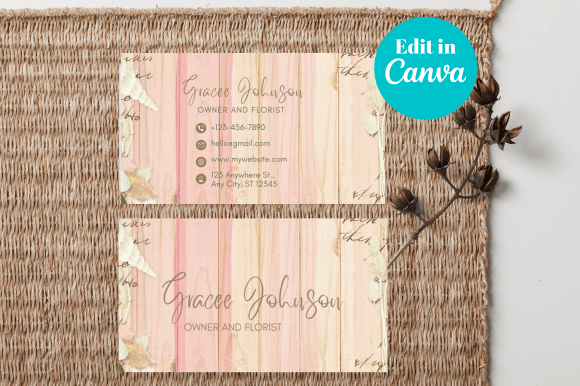
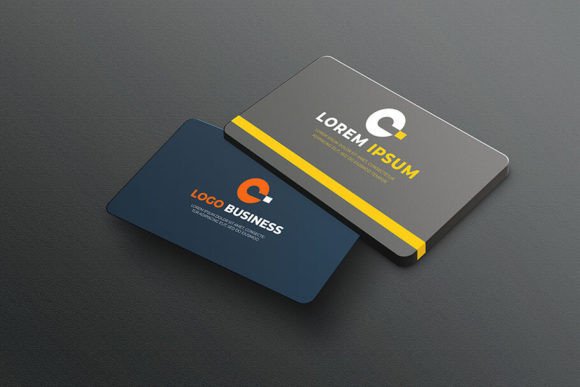
The Overlaping Business Card is a specialized design resource that allows users to create visually compelling business cards using layered elements. This tool typically comes in the form of a PSD mockup, offering a structured yet flexible layout where text, images, and graphics can be overlapped or arranged freely. Designed for clarity and customization, it serves as a valuable asset for designers, entrepreneurs, and professionals looking to craft unique identities through their printed materials.
Why Overlaping Business Card Might Interest You
In today’s competitive market, standing out with a strong visual identity is essential. The Overlaping Business Card provides an opportunity to break away from standard card designs by enabling creative layering of content. Whether you’re launching a new brand or updating your professional image, this approach offers a fresh way to communicate key information while making a lasting impression.
Professionals often seek tools that allow both artistic freedom and technical precision. With its PSD format, the Overlaping Business Card meets these demands by supporting advanced editing features like transparency, blending modes, and vector-based objects. These capabilities make it ideal for those who want full control over every aspect of their design.
Key Features and Benefits
- High-Resolution Files: The Overlaping Business Card is delivered in high-resolution formats, ensuring that the final print quality is sharp and professional. This is especially important when printing on premium materials or for use in upscale settings.
- Customizable Elements: All objects and colors are editable, allowing users to tailor the design to match their brand guidelines, personal preferences, or campaign themes. This flexibility supports quick iterations and experimentation.
- Large Dimensions (4000 px): The design resolution extends beyond standard sizes, providing room for intricate details and larger visuals. It also makes scaling easier without losing quality.
- Resizable to Big Dimensions: Users can adjust the size of the design to fit various needs, such as oversized cards, promotional posters, or other marketing collateral, all while maintaining clarity and proportionality.
- RGB Color Format: The RGB color model ensures vibrant and accurate color representation, which is particularly beneficial for digital previews and online use before final print production.
Tradeoffs and Considerations
While the Overlaping Business Card offers numerous advantages, there are some tradeoffs worth noting. The complexity of overlapping layers may require intermediate knowledge of Adobe Photoshop to maximize its potential. Beginners might find certain features challenging to navigate without prior experience.
Additionally, because of the large file size and high resolution, working with the Overlaping Business Card PSD could demand more system resources. A computer with sufficient RAM and processing power is recommended for smooth performance during the editing process.
Designers should also consider how overlapping elements affect readability. While creativity is encouraged, it's crucial to maintain legibility and ensure that contact information remains easily accessible. Overcomplicating the layout could detract from the purpose of the business card — to deliver clear, concise information.
When to Use Overlaping Business Card
The Overlaping Business Card is a strong fit for individuals and businesses that prioritize design uniqueness and have the necessary tools and skills to work with layered files. It’s especially useful for:
- Creative Industries: Graphic designers, artists, and agencies that value originality and want to showcase their design abilities through physical media.
- Branding Campaigns: Companies launching rebranding initiatives or creating cohesive visual identities across multiple touchpoints.
- Entrepreneurs and Startups: Those aiming to differentiate themselves in crowded markets with bold, innovative designs.
This type of mockup is also well-suited for designers who frequently produce custom templates for clients, as it allows for easy adjustments and personalization without requiring extensive redesign efforts.
When Alternatives May Be Better
If simplicity and ease of use are your top priorities, you might find alternatives to the Overlaping Business Card more suitable. Flat, non-layered templates or pre-designed cards with limited customization options can be faster to modify and print-ready out of the box.
For users who prefer drag-and-drop platforms or minimal technical requirements, online design tools like Canva or Adobe Express offer intuitive interfaces and fewer complexities. These platforms are great for beginners but may not provide the same level of creative freedom as a layered PSD file.
Moreover, if you're working under tight deadlines or lack access to Photoshop, the learning curve associated with using the Overlaping Business Card could become a drawback. In such cases, choosing a simpler design format may save time and effort.
Practical Insights for Decision-Making
Choosing between the Overlaping Business Card and other design solutions depends largely on your specific goals and workflow. Ask yourself the following questions to guide your decision:
- Do I need full control over each design element?
- Am I comfortable using Photoshop or willing to learn?
- Is my brand or project built around distinctive, modern aesthetics?
- Will the design be used in both digital and print formats?
If your answers lean toward yes, then the Overlaping Business Card is likely a good choice. However, if your focus is speed, simplicity, or compatibility with non-Photoshop software, explore more user-friendly options.
Another consideration is the intended audience. If your business card will be handed out at high-end events or to clients in design-conscious industries, the extra effort put into a layered, customizable design can pay off significantly. Conversely, for general networking purposes, a clean and straightforward layout may be more effective.
Expectations and Best Practices
When using the Overlaping Business Card, expect a balance between creativity and practicality. To get the most out of the template:
- Use vector-based text and logos for scalability.
- Keep background elements subtle to avoid overwhelming foreground content.
- Test the design at different resolutions and sizes before finalizing.
- Export the final version in CMYK format for accurate print results.
Remember, even though the template allows for complex arrangements, the core objective of a business card remains unchanged: to clearly present your name, title, contact details, and brand. Don’t let the possibility of overlapping distract from this fundamental goal.
Conclusion
The Overlaping Business Card is a powerful tool for professionals seeking to blend creativity with functionality in their branding efforts. Its layered structure, high resolution, and RGB color support make it adaptable for both digital and print applications. However, success with this template depends on the user’s skill level, design intent, and available resources.
By evaluating your needs and understanding the strengths and limitations of the Overlaping Business Card, you can determine whether it aligns with your goals. For those ready to invest time and effort into a detailed, customizable design, it presents an excellent opportunity to elevate their professional presence.